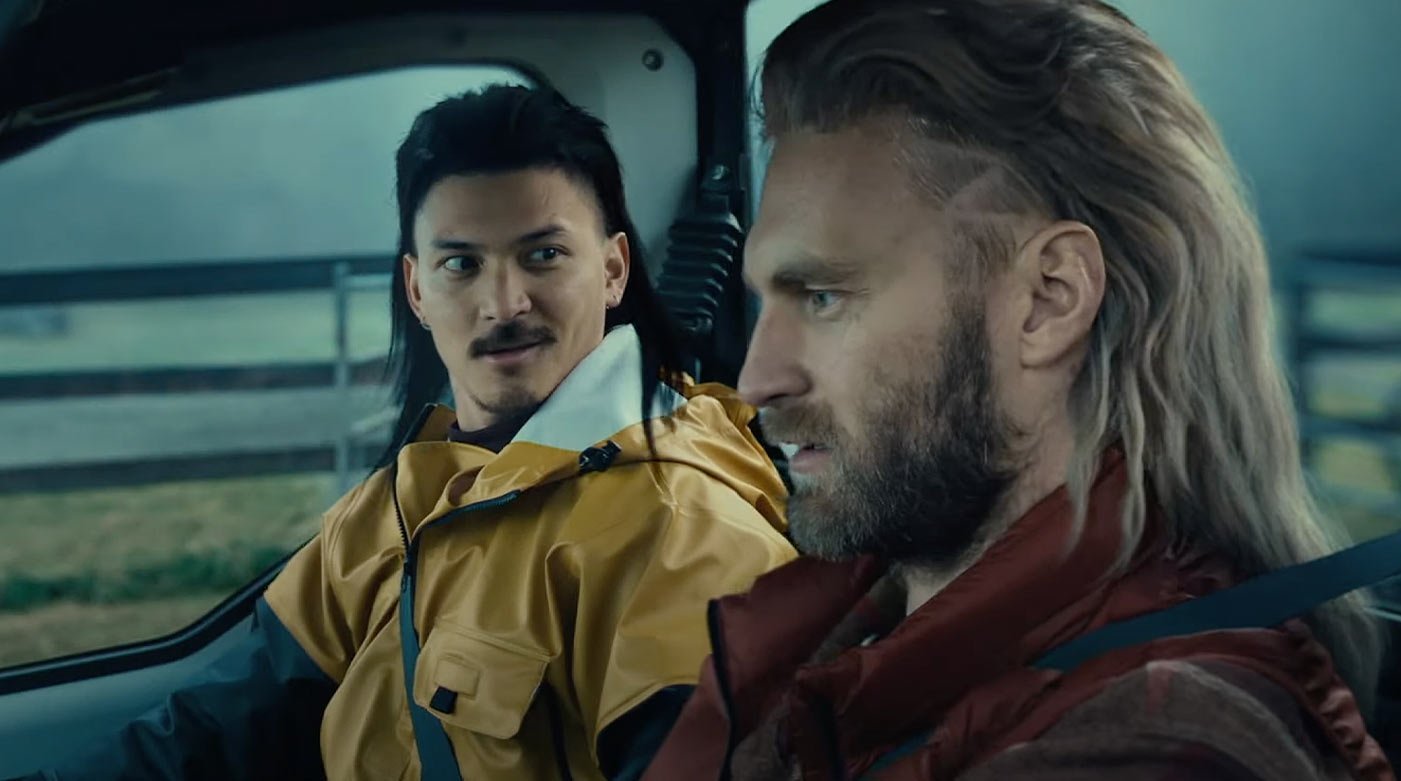
The phrase party in the front business in the back is widely connected to the famous mullet hairstyle, a haircut known for its shorter front and sides combined with longer hair at the back. The expression became popular because it perfectly describes the unusual contrast between a clean and professional appearance at the front and a fun, rebellious style at the back. Over time, the phrase developed into a humorous cultural statement recognised across fashion, entertainment, and internet culture.
Today, party in the front business in the back represents more than just a hairstyle. Many people use the phrase to describe personalities, lifestyles, and fashion choices that combine professionalism with creativity and humour. The phrase remains popular because it reflects confidence and individuality while also carrying a nostalgic connection to retro fashion trends. As modern styles continue evolving, the expression still captures attention among younger audiences and fashion enthusiasts worldwide.
The Origin of Party in the Front Business in the Back
The roots of party in the front business in the back can be traced back to the growing popularity of the mullet during the 1970s and 1980s. Although variations of the hairstyle existed long before modern fashion, the mullet became a major cultural trend thanks to rock musicians, sports stars, and actors who wanted bold and recognisable appearances. The hairstyle quickly became associated with rebellion, freedom, and self-expression during a period filled with creative fashion experimentation.
The phrase itself gained mainstream attention through music and comedy culture. Many people believe the Beastie Boys helped popularise the expression in the 1990s through their music and public image. Films, television shows, and internet memes later pushed the saying into global pop culture. As a result, party in the front business in the back became one of the most memorable phrases linked to hairstyles and retro fashion history.
Why the Mullet Became a Fashion Statement
The mullet hairstyle became successful because it offered something completely different from traditional haircuts. The shorter front section created a tidy and respectable look, while the longer back added personality and excitement. This unique combination allowed people to appear professional while still expressing their rebellious side. The balance between formal and casual styling made the hairstyle attractive to individuals seeking something bold yet practical.
Another reason for the popularity of party in the front business in the back was its strong connection to celebrity culture. Famous musicians, football players, and actors adopted the hairstyle to stand out from the crowd and create unforgettable public images. The mullet became a symbol of confidence and individuality, especially among people who wanted to challenge conventional beauty standards and embrace a more daring fashion identity.
The Modern Return of the Mullet Trend
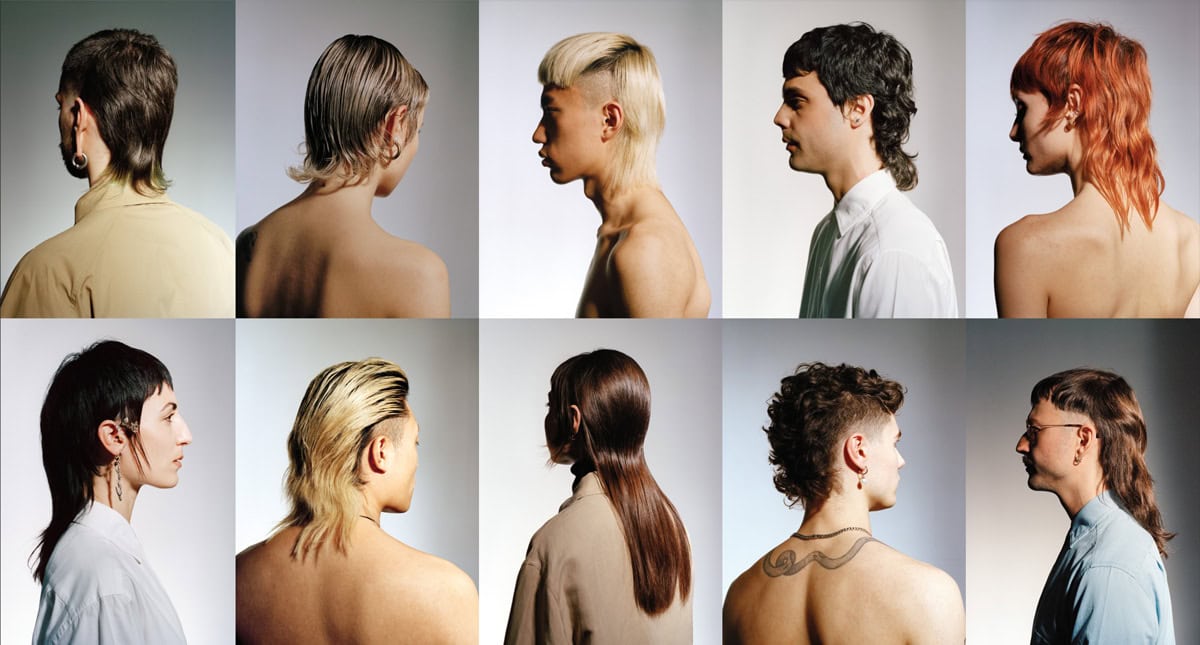
In recent years, the mullet has returned as one of the biggest hairstyle trends on social media platforms such as TikTok and Instagram. Younger generations are rediscovering vintage fashion and giving classic styles a modern twist. Today’s versions of party in the front business in the back often include textured layers, fades, and softer styling techniques that make the hairstyle more fashionable and versatile than ever before.
Celebrities and influencers have also played an important role in reviving the mullet trend. Modern singers, models, and athletes frequently experiment with updated mullet styles that blend retro inspiration with contemporary fashion. This renewed popularity has transformed the hairstyle from an old-fashioned joke into a respected fashion statement admired throughout the UK and across international fashion scenes.
Different Types of Modern Mullets
Modern mullet hairstyles come in many different forms, allowing people to customise the look according to their personality and hair type. Some prefer the classic mullet with strong contrast between the front and back, while others choose softer versions like the wolf cut or textured shag mullet. These modern adaptations have helped party in the front business in the back appeal to a much wider audience interested in stylish and creative hairstyles.
The mullet has also become increasingly gender-neutral in recent years. Both men and women are experimenting with modern mullet designs inspired by Korean fashion, punk culture, and streetwear trends. Curly mullets, fade mullets, and layered mullets are now commonly seen across fashion magazines and social media platforms. This flexibility has allowed the hairstyle to remain relevant and adaptable within modern beauty culture.
How to Style and Maintain a Mullet
Maintaining a mullet requires regular grooming and the right styling products to keep the haircut balanced and attractive. Many people use texturising sprays, wax, or lightweight mousse to create movement and volume throughout the hairstyle. Visiting a professional barber regularly helps maintain clean sides and a properly shaped back section, ensuring the hairstyle looks intentional rather than messy.
Choosing the right mullet style depends on factors such as hair texture, face shape, and personal fashion preferences. Straight hair often highlights sharp layers and dramatic contrasts, while curly hair creates a softer and more relaxed appearance. With the correct styling routine, party in the front business in the back can suit both casual social settings and more professional environments without losing its unique personality.
Party in the Front Business in the Back in Pop Culture
The phrase party in the front business in the back continues to appear throughout popular culture, especially in films, music, comedy, and online entertainment. Many celebrities intentionally wear mullets to create memorable fashion statements and stand out from modern hairstyle trends. The hairstyle has become strongly connected to retro nostalgia, humour, and fearless self-expression in entertainment industries around the world.
Internet culture has helped introduce the mullet to a completely new generation. Viral videos, memes, and fashion influencers regularly celebrate exaggerated or creative mullet styles online. While some people still view the hairstyle humorously, others genuinely admire its confidence and individuality. This mixture of humour and style is one of the reasons party in the front business in the back continues to remain culturally relevant today.
Why the Phrase Still Matters Today
Even after decades of changing fashion trends, party in the front business in the back remains one of the most iconic phrases linked to personal style and individuality. The expression continues to resonate because it reflects the modern desire to balance professionalism with creativity and fun. In a world where self-expression is increasingly celebrated, the mullet has become a symbol of confidence and authenticity.
The lasting popularity of the phrase also demonstrates how fashion trends often return with fresh interpretations. What was once considered outdated has now become stylish again through modern fashion culture and social media influence. Whether people wear the mullet seriously or simply enjoy its nostalgic charm, party in the front business in the back continues to inspire conversations about style, identity, and creative freedom.
You may also read: Measuring Doorways, Hallways, and Staircases
