
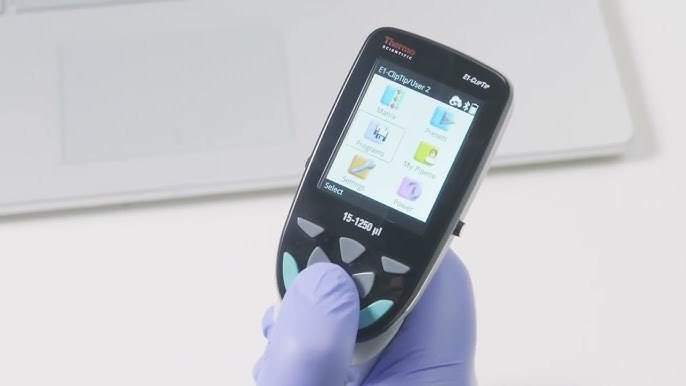
In the high-stakes environment of contemporary scientific research, the pursuit of precision is the cornerstone of every successful project. Every microliter measured serves as the foundation for experimental outcomes, and even the most minute error can lead to substantial deviations in research data. The emergence of Mypipette technology represents a transformative shift in how laboratories approach liquid handling, moving beyond traditional mechanical limitations. By integrating sophisticated digital interfaces with highly accurate hardware, this technology empowers scientists to maintain rigorous control over their processes. This guide explores the essential nature of modern liquid handling and explains how adopting these advanced systems ensures that every measurement contributes directly to high-quality, reproducible scientific results, thereby establishing a new benchmark for laboratory excellence.
As scientific inquiries become increasingly complex, the demand for both speed and extreme accuracy has never been more pressing. Laboratory professionals often face the challenge of balancing high-throughput requirements with the need to minimize human intervention and error. Mypipette solutions bridge this gap by providing an ecosystem that prioritizes digital guidance and automated consistency. By leveraging these advanced tools, researchers can effectively mitigate the common risks associated with manual liquid measurement, such as volume variability and repetitive motion fatigue. Ultimately, the integration of these systems allows researchers to shift their focus from the mechanics of pipetting to the critical analysis of their experimental findings, fostering a more efficient and reliable environment for innovation and discovery.
The Evolution and Technological Advancements in Pipetting
The landscape of liquid handling has evolved significantly from the era of basic, purely mechanical instruments to the present-day reality of smart, connected, and highly intuitive systems. In the past, the accuracy of an experiment was entirely dependent on the physical consistency of the user, which frequently introduced unintended variability that was difficult to trace. Today, modern Mypipette devices function as highly capable laboratory assistants, utilizing advanced digital platforms that actively guide researchers through intricate protocols. This technological evolution has effectively transitioned the laboratory workflow from a manual art form into a data-driven science, allowing researchers to exercise precise control over every aspect of their liquid handling, including aspiration speeds and specific volume dispensing parameters.
Connectivity stands as the most critical pillar of this contemporary transformation in liquid handling hardware and software. By utilizing innovative platforms like the Mypipette ecosystem, laboratories can successfully bridge the critical gap between bench-side execution and centralized data management. These sophisticated systems allow lab managers to push standardized protocols to multiple devices simultaneously, ensuring that every technician is working with identical settings across the entire facility. This transition from manual guesswork to digital certainty is absolutely essential for maintaining the high standards required for modern experimental science, as it minimizes the risk of protocol deviation and enhances the overall transparency and reliability of the laboratory’s data output throughout the entire lifecycle of a research project.
Optimizing Laboratory Workflow with Smart Features
One of the most compelling advantages of utilizing these advanced pipetting systems is the ability to achieve total control through centralized protocol management. Instead of relying on manual adjustments for every single assay, which can be prone to human error and inconsistency, laboratory teams can now program, edit, and store a comprehensive library of validated protocols directly within a digital interface. This standardization ensures that every team member, regardless of their individual experience level, executes the experiment with the exact same parameters. By eliminating the variability that often undermines large-scale research projects, these systems allow for a degree of reproducibility and quality control that was previously difficult to maintain in high-volume laboratory settings.
Beyond the core functionality of liquid measurement, the physical design and customization options provided by Mypipette solutions play a vital role in enhancing overall user comfort and long-term experimental success. Many modern units are designed to accommodate personal preferences, offering various ergonomic configurations, specialized skins, and volume-tracking features that prevent physical strain during long hours of bench work. By aligning the equipment with the unique needs of the individual researcher, laboratories can significantly reduce the risk of work-related fatigue and maintain a more organized, clean, and professional workspace. This synergy between functional excellence and user-focused design is exactly what allows top-tier research institutions to sustain high levels of productivity and accuracy while protecting the health and well-being of their staff.
Best Practices for Maintaining Experimental Accuracy

Precision in a laboratory setting is rarely achieved by the equipment alone; it is fundamentally rooted in the mastery of standard operating techniques. Regular calibration is the non-negotiable foundation of any successful scientific facility, serving as a safeguard against the natural degradation of mechanical and electronic parts. Even the most advanced Mypipette electronic devices require a consistent, professional maintenance schedule to ensure that accuracy remains within strictly defined parameters over time. By implementing a proactive system for verifying volume delivery and tracking device health, laboratories can effectively prevent the silent onset of calibration drift, thereby protecting the integrity of their sensitive biological or chemical research data from unexpected and costly errors.
Furthermore, human technique remains a decisive factor in achieving consistent and reliable results in the field. To maximize the performance of your liquid handling tools, users must commit to standardized practices such as maintaining a consistent immersion depth and utilizing a uniform aspiration angle during every cycle. Simple yet powerful habits, such as pre-rinsing pipette tips with the experimental liquid, can significantly reduce the amount of film retention, which is a frequent source of hidden errors. Additionally, maintaining a climate-controlled laboratory environment is essential for preventing atmospheric factors like extreme temperature fluctuations or humidity variations from affecting the density or evaporation rates of sensitive samples during the critical stages of liquid transfer.
Troubleshooting and Digital Integration Strategies
Integrating new, advanced technology into an existing laboratory workflow requires a thoughtful and systematic strategy to ensure that all team members are aligned with the new capabilities. The best approach is to start by fully utilizing the digital protocol libraries, which allow for the automation of repetitive, multi-step pipetting tasks. By deploying pre-validated assays directly onto your connected devices, the laboratory can reduce manual setup time by significant margins. This automation not only speeds up the experimental process but also provides a layer of confidence, as researchers know that the liquid transfer process is standardized, verified, and completely error-free for every single run conducted by any member of the team.
Digital documentation and compliance are further streamlined through the use of these smart integration strategies. Many modern systems provide the ability to keep secure, timestamped logs of every action taken, which creates a robust, unalterable audit trail that is increasingly required for institutional accreditation. This level of traceability is particularly invaluable when preparing data for publication in high-impact journals or when working under strict regulatory oversight. By successfully digitizing your liquid handling processes, you satisfy the modern industry requirements for data integrity and transparency, while simultaneously increasing the overall daily throughput of your lab and providing a clear path for future technological scalability.
Managing Common Technical Hurdles
Even the most robust technology can occasionally face operational challenges that require a prompt and effective response to minimize downtime. If you find yourself experiencing synchronization issues between your liquid handling device and the management software, the first step should always be to verify your network connectivity and confirm the current firmware status. Most connectivity challenges are relatively minor software glitches that can be quickly resolved through a simple system restart or a manual sync-check within the application’s dashboard. Keeping your firmware up to date ensures that the Mypipette ecosystem remains compatible with the latest security and functionality patches, thereby maintaining the stability of your digital infrastructure and protecting your stored protocol data.
Mechanical concerns, such as inconsistent aspiration or unexpected volume variations, often signal that it is time for a thorough tip check or an inspection of the internal sealing components. If the hardware appears to be in excellent condition but the performance metrics continue to trend downward, it is time to perform a more rigorous assessment of the device’s calibration status. Maintaining a clean, highly organized, and proactive maintenance log for every individual unit in your inventory is the best practice for avoiding unexpected interruptions during critical research windows. By staying ahead of minor issues through regular inspection and preventative care, you ensure that your research remains focused on discovery rather than hardware troubleshooting.
Conclusion
The decision to adopt advanced liquid handling technology is a strategic investment in the future and the reputation of your research institution. By choosing to implement Mypipette solutions, you are doing more than just purchasing new laboratory equipment; you are actively upgrading your facility’s capability to produce reliable, reproducible, and globally respected scientific results. The powerful combination of digital precision, standardized collaborative protocol sharing, and a disciplined approach to maintenance will undoubtedly set your laboratory apart in an increasingly competitive scientific landscape. By embracing these digital tools, you are securing your data, empowering your team, and ensuring that every measured microliter serves as a firm stepping stone toward future breakthroughs that could change the world of modern science for the better.
Frequently Asked Questions
What is the primary benefit of using a smart pipetting system?
The primary benefit is the dramatic reduction in human error that occurs during repetitive liquid handling tasks. Through the use of pre-programmed, digital protocols, these systems ensure that every user performs a given task with exactly the same movement and volume parameters. This level of consistency leads to significantly higher levels of experimental reproducibility and data reliability across the entire research team. Furthermore, it saves significant time during protocol setup, allowing researchers to dedicate more energy to data interpretation rather than the tedious manual adjustment of mechanical volumes on traditional pipettes.
Can I share protocols across different devices in my lab?
Yes, the ability to share validated protocols is one of the most powerful features of modern liquid handling software. Once a senior researcher or a lab manager creates a protocol, it can be distributed wirelessly or via a central database to every connected device in the facility. This ensures that every pipette in the lab is perfectly synchronized, maintaining identical performance standards whether you are working at a single workstation or managing a vast, multi-user laboratory suite that relies on dozens of different devices to complete large-scale experiments.
Does using this technology change the calibration requirements?
While these smart devices are significantly more advanced than their mechanical predecessors, they still require regular, professional calibration to meet industry and regulatory standards. The primary difference is that electronic systems provide much easier tracking of usage metrics and automated reminders for maintenance. While the software makes it simpler to monitor the history of each unit, you should still follow your laboratory’s established quality control schedule. Adhering to these rigorous maintenance intervals ensures that your equipment continues to operate with the high level of precision expected in professional environments and complies with all relevant audit requirements.
You may also read: What is Jonathan Taylor Thomas doing now
