
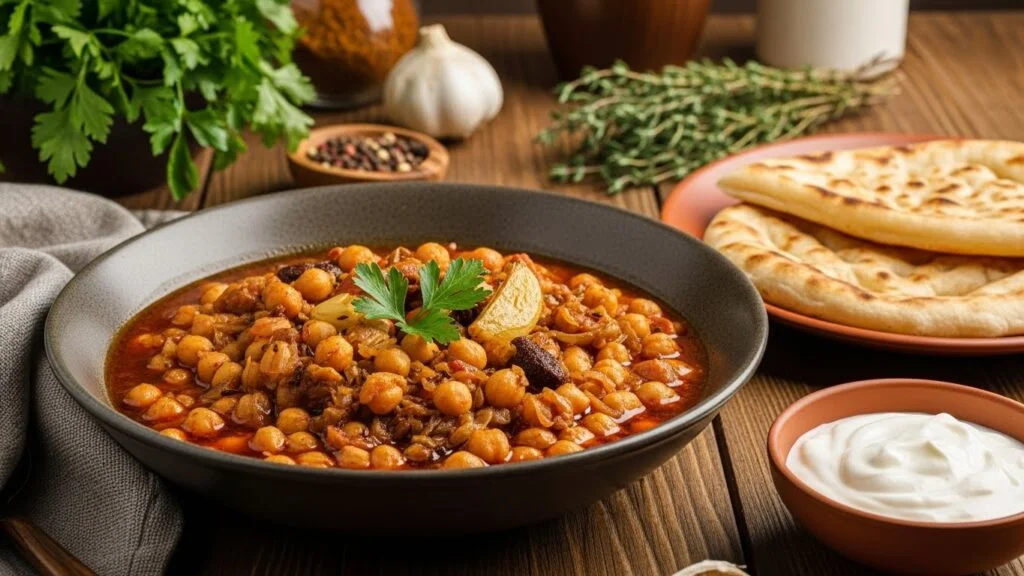
The term çeciir has become a subject of growing curiosity among readers interested in culture, history, language, and traditional heritage. Although the word is not widely documented in mainstream academic sources, it appears across various discussions that connect it to regional traditions, historical narratives, and cultural identity. This blend of mystery and cultural relevance has made çeciir an intriguing topic for people who enjoy exploring lesser-known concepts and their place within society.
Understanding çeciir requires more than finding a simple definition. Many traditional terms carry meanings that have evolved through generations, influenced by changing social environments and local customs. As a result, çeciir is often viewed as a reflection of cultural memory rather than a term with a single universally accepted interpretation. Exploring its background provides valuable insight into how communities preserve heritage and pass knowledge from one generation to the next.
What Is Çeciir?
At its most basic level, çeciir is commonly described as a term associated with cultural traditions, historical practices, and community identity. Different sources provide different explanations, which has contributed to ongoing interest in its meaning. Some interpretations connect the term to regional customs, while others emphasize its symbolic role within cultural discussions. This diversity of perspectives demonstrates how traditional concepts can develop multiple layers of significance over time.
Rather than focusing on a rigid definition, it is more useful to view çeciir as a cultural expression that carries historical and social value. Many heritage-related terms survive because they represent experiences, beliefs, and traditions that communities consider important. In this context, çeciir serves as a reminder of the relationship between language, culture, and collective memory. Its continued appearance in discussions about heritage reflects its lasting relevance and appeal.
Origins of Çeciir
The origins of çeciir are often linked to regions where oral traditions and community customs played a central role in preserving knowledge. Before written records became common, stories, expressions, and cultural concepts were transmitted through conversation and shared experiences. Terms like çeciir could therefore gain significance not only through their literal meanings but also through the values and traditions they represented within a community.
Language naturally changes over time, and culturally important words often evolve alongside the societies that use them. As communities interact with neighboring cultures and adapt to new circumstances, traditional concepts may acquire additional meanings or interpretations. This process likely contributed to the diverse explanations associated with çeciir today. Its historical roots highlight the dynamic relationship between language, identity, and cultural continuity.
Historical Development of Çeciir

Throughout history, communities have relied on traditions and shared symbols to preserve their sense of identity. Concepts such as çeciir often become part of a broader cultural framework that helps people maintain connections to their past. Whether expressed through stories, customs, or social practices, these cultural elements contribute to a collective understanding of history and belonging.
As societies evolved, traditional concepts were influenced by political, economic, and social changes. Urbanization, migration, and technological advancement transformed many aspects of daily life, yet cultural expressions frequently adapted rather than disappeared. The enduring presence of çeciir in cultural discussions suggests that it has retained relevance despite changing circumstances. This ability to evolve while preserving its core significance is one reason it continues to attract attention.
Cultural Significance of Çeciir
Cultural significance is often determined by a concept’s ability to connect people with their heritage, and çeciir appears to fulfill this role in many interpretations. Traditional terms frequently act as symbols of shared experiences, reflecting values, customs, and historical memories that communities consider important. Through this connection, çeciir becomes more than a word—it becomes part of a larger narrative about identity and belonging.
The preservation of cultural heritage is increasingly important in a globalized world where local traditions can sometimes be overshadowed by broader influences. Discussions about çeciir contribute to cultural awareness by encouraging people to explore the stories and traditions associated with their communities. By maintaining interest in such concepts, societies help ensure that valuable historical knowledge remains accessible for future generations.
Çeciir and Traditional Practices
Traditional practices often serve as living expressions of cultural identity. Whether through celebrations, storytelling, artistic traditions, or communal gatherings, communities use these activities to reinforce social bonds and preserve shared values. In many discussions, çeciir is associated with this broader framework of cultural preservation, highlighting its connection to longstanding traditions and collective memory.
The transmission of cultural knowledge depends heavily on participation and engagement. Families, elders, educators, and community leaders all contribute to preserving traditions by sharing experiences and stories with younger generations. Concepts such as çeciir gain lasting significance when they are incorporated into these ongoing processes of cultural education. This continued exchange helps ensure that heritage remains meaningful and relevant over time.
Folklore and Community Identity
Folklore plays a crucial role in shaping cultural identity because it preserves lessons, values, and historical perspectives through storytelling. Many traditional concepts survive because they are woven into narratives that communities continue to share. In this way, çeciir may be understood as part of a broader tradition of cultural storytelling that strengthens connections between generations and reinforces a sense of belonging.
Community identity is built through shared experiences and collective understanding. Terms with historical and cultural significance often become symbols that represent common values and memories. As people engage with concepts like çeciir, they participate in a process of cultural preservation that supports continuity across generations. This role helps explain why interest in heritage-related topics continues to grow around the world.
Modern Interpretations of Çeciir
The digital age has transformed the way people discover and discuss cultural topics. Online platforms, educational resources, and social media have made it easier for individuals to explore historical concepts that were once limited to local communities. As a result, çeciir has gained visibility among a wider audience, encouraging new conversations about its meaning, origins, and significance.
Modern interpretations often balance respect for tradition with contemporary perspectives. While historical context remains important, many people now view cultural concepts through the lens of identity, diversity, and heritage preservation. This approach allows çeciir to remain relevant in modern discussions while maintaining its connection to the traditions that helped shape its significance. Such adaptability contributes to its continuing appeal across different audiences.
Common Misconceptions About Çeciir
One of the most common misconceptions about çeciir is the assumption that a single explanation can fully capture its meaning. Because the term appears in different contexts and is interpreted in various ways, readers may encounter conflicting information. This situation is not unusual for culturally significant concepts that have developed over long periods and across different communities.
Another misunderstanding arises when people view traditional terms without considering their historical and cultural backgrounds. Heritage-related concepts often carry symbolic meanings that cannot be fully understood through literal definitions alone. Taking the time to examine context, history, and community perspectives provides a more accurate understanding of çeciir and its place within cultural discussions.
Why Çeciir Continues to Attract Attention
Interest in cultural heritage has increased significantly in recent years as people seek deeper connections to history and identity. This trend has encouraged greater exploration of traditional concepts, including çeciir. Readers are often drawn to subjects that combine historical depth with cultural significance, especially when those topics offer opportunities to learn about lesser-known traditions and perspectives.
Another factor contributing to the popularity of çeciir is the growing recognition of the importance of preserving cultural diversity. Around the world, communities are working to document traditions, languages, and historical knowledge before they are lost. Discussions about çeciir align with these efforts by encouraging curiosity, research, and appreciation for cultural heritage in an increasingly interconnected world.
The Future of Çeciir
The future of çeciir will likely depend on continued efforts to preserve and document cultural knowledge. As researchers, educators, and community organizations focus more attention on heritage preservation, traditional concepts have greater opportunities to remain visible and accessible. Digital archives, educational initiatives, and cultural programs can all play a role in ensuring that valuable traditions continue to be shared.
At the same time, the evolving nature of culture means that interpretations of çeciir may continue to develop. Future generations will bring new perspectives while building upon existing knowledge. This balance between preservation and adaptation is essential for maintaining cultural relevance. By encouraging informed discussion and ongoing research, communities can help ensure that çeciir remains a meaningful part of cultural heritage for years to come.
Conclusion
Çeciir is a fascinating cultural concept that highlights the enduring relationship between history, tradition, and identity. Although interpretations may vary, the term is consistently associated with heritage, collective memory, and the preservation of cultural values. Its continued presence in discussions about history and tradition demonstrates the importance of understanding the stories and experiences that shape communities.
As interest in cultural heritage continues to grow, concepts such as çeciir provide valuable opportunities for learning and reflection. They remind us that language and tradition are powerful tools for preserving knowledge and strengthening connections across generations. By exploring and appreciating these cultural expressions, we contribute to the ongoing preservation of human heritage and ensure that meaningful traditions remain relevant in the modern world.
FAQs
What does çeciir mean?
Çeciir is generally associated with cultural heritage, historical traditions, and community identity. Its exact meaning may vary depending on the source and context in which it is discussed.
Where did çeciir originate?
The term is believed to have roots in regional traditions where oral storytelling, customs, and cultural practices played important roles in preserving collective knowledge.
Why is çeciir important?
Çeciir is important because it represents cultural memory, historical continuity, and the preservation of traditions that help communities maintain their identity.
Is çeciir still relevant today?
Yes. Growing interest in cultural heritage, history, and identity has increased public curiosity about çeciir and similar traditional concepts.
Why are there different interpretations of çeciir?
Different interpretations exist because cultural concepts often evolve over time and may be understood differently by various communities and sources.
How can people learn more about çeciir?
People can learn more by exploring cultural studies, historical research, heritage publications, and educational resources that focus on traditional customs and regional history.
You may also read: Age and Personal Information
