
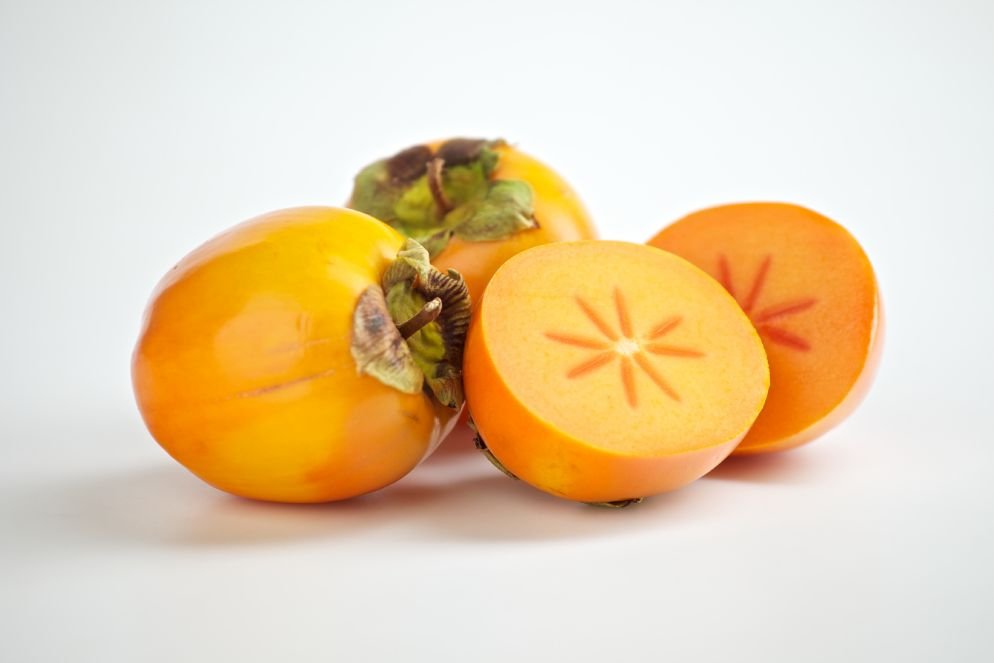
When the chilly winter months arrive and standard orchard offerings begin to fade from produce shelves, the persimon fruit emerges as a brilliant seasonal delicacy. Known worldwide for its glowing orange skin and honeyed tropical sweetness, this distinct fruit brings an extraordinary burst of vibrant flavor to cold-weather dining. Unlike older traditional varieties that required endless patience to soften on the counter, modern agricultural practices allow this fruit to offer immediate crispness alongside a rich, complex profile. It seamlessly bridge the gap between crisp autumn apples and lush summer stone fruits, making it a beloved favorite for food enthusiasts everywhere.
Incorporating a persimon into your daily culinary routine is one of the easiest ways to brighten simple weekday meals while nourishing your body with dense essential nutrients. Whether enjoyed raw straight from the fridge, tossed into colorful salads, or baked into warm seasonal desserts, this versatile fruit elevates everyday cooking with minimal effort. As consumer focus continues shifting toward fresh seasonal eating, understanding how to select, prepare, and enjoy this exceptional fruit will completely transform your winter kitchen experience and diversify your family meal plans.
What Is a Persimon Fruit? (Origin & Spelling)
Understanding the crucial difference between the single-m persimon and the generic double-m persimmon comes down to protected geographical origin and strict quality branding. The single-m term specifically refers to the registered trademark representing the Rojo Brillante variety, which is cultivated under the Denomination of Origin in the fertile Ribera del Xúquer Valley near Valencia, Spain. This specific agricultural paradise provides ideal Mediterranean soil conditions, climate, and sunshine that produce exceptionally large, naturally sweet, and seedless fruit during every harvest cycle.
Historically, traditional unripened persimmons presented consumers with an annoying challenge: they were either hard and puckeringly bitter or soft, jelly-like, and messy to eat. Spanish agricultural innovators solved this dilemma by subjecting the harvested fruit to natural carbon dioxide treatments, which completely neutralizes astringent tannins while maintaining a firm, sliceable texture. Available in markets from October through February, this trademarked Spanish creation provides fruit lovers with a consistently crisp, sweet eating experience without the guesswork of waiting weeks for the fruit to soften.
Taste Profile and Texture: What Does It Taste Like?
Biting into a fresh persimon reveals a distinct flavor combination reminiscent of sweet peaches, juicy mangoes, and crisp honeycrisp apples all wrapped into one. The inner flesh is smoothly dense without being fibrous or stringy, yielding a clean, satisfying bite that pleases both adventurous foodies and casual snackers. Because the harsh tannin bitterness is completely removed during post-harvest handling, you enjoy pure honeyed sweetness from the outer skin straight through to the very core of the fruit.
Unlike soft astringent varieties that require a spoon to eat, this firm fruit can be sliced effortlessly just like a firm pear or apple. The outer skin is delicate, thin, and entirely edible, offering a pleasing structural contrast to the smooth, succulent interior flesh. Its excellent physical integrity makes it perfect for cooking applications, slicing onto elegant charcuterie boards, or tossing into leafy green salads without degrading into a mushy consistency over time.
Key Health Benefits and Nutritional Value of Persimon
:max_bytes(150000):strip_icc()/persimmon-crop-50d95adaed6b469680e330db66ec3f48.jpg "Persimon")
Adding a persimon to your everyday diet delivers an extraordinary boost of essential vitamins, vital minerals, and protective antioxidants. A single serving contains approximately six grams of dietary fiber, which actively supports healthy digestion, regulates blood sugar spikes, and fuels beneficial gut bacteria. Furthermore, its high concentration of Vitamin C and Vitamin A strengthens baseline immune defenses, improves skin cell turnover, and effectively shields your long-term vision from oxidative stress and environmental damage.
Beyond essential daily vitamins, this fruit contains active carotenoids and polyphenols that promote long-term cardiovascular wellness and manage systemic body inflammation. The natural combination of heart-healthy potassium and soluble fiber assists in maintaining balanced blood pressure levels and healthy cholesterol profiles over time. Choosing this low-calorie, naturally fat-free snack satisfies stubborn sweet cravings while delivering steady, clean dietary energy to sustain your busy lifestyle throughout the winter months.
How to Eat, Prep, and Serve Persimon
Preparing a fresh persimon is wonderfully straightforward because it requires minimal kitchen prep time and zero tedious peeling. Simply wash the outer skin thoroughly under cold running water, trim off the top green leafy cap, and slice the flesh into convenient wedges or round disks. Because it is naturally seedless throughout, every single bit of the fruit is usable, making it an ideal fast snack for busy workdays and school lunches.
For creative culinary applications, slice the fruit paper-thin over peppery arugula salads dressed with aged goat cheese, toasted pecans, and a rich balsamic glaze reduction. You can also dice the firm flesh into morning yogurt bowls, blend it into tropical morning smoothies, or roast wedges alongside savory pork chops and root vegetables. When introducing it to babies or toddlers, simply steam thin strips or mash the ripe flesh into a smooth, naturally sweet puree.
How to Buy, Ripen, and Store Persimon
When shopping at your local grocery store, select a persimon that features smooth, glossy skin with a deep, uniform orange-red hue across its surface. The fruit should feel firm and solid in your hand, completely free from deep soft spots, dark punctures, or excessive skin bruising. A tight green stem cap remaining at the top indicates that the fruit was harvested carefully at peak quality and kept fresh throughout its transport journey.
Store firm fruits directly at room temperature away from harsh direct sunlight if you plan to enjoy their crisp texture within a few days. If you prefer a slightly softer texture with a higher concentration of sweetness, place them inside a paper bag alongside an apple to accelerate natural ethylene ripening. Once fully ripe or sliced open, keep your fruit inside the refrigerator crisper drawer to maintain optimal crispness and flavor for up to a full week.
Conclusion
The persimon stands firm as one of the most rewarding and reliable winter fruits available in modern produce aisles today. By combining the delightful crunch of an apple with the lush, tropical flavors of peach and mango, it completely eliminates the long wait times and messy textures historically associated with winter fruits. Its impressive nutritional profile makes it a smart, heart-healthy addition to any well-balanced daily diet.
Whether you enjoy it raw as a fast afternoon pick-me-up or feature it as the star ingredient in gourmet salads and baked holiday desserts, this Spanish treasure brings unparalleled warmth and color to your dining table. The next time you browse the produce section during the colder months, grab a few firm orange fruits to experience their incredible natural sweetness and versatility firsthand.
Frequently Asked Questions (FAQs)
What is the main difference between Persimon and traditional persimmons?
“Persimmon” refers generally to all species and varieties within the botanical Diospyros plant family. “Persimon®” (spelled with a single ‘m’) is the registered trademark brand name for the Spanish Rojo Brillante variety grown under strict origin controls in Valencia, Spain. It is specially treated after harvest to remove bitter astringency while remaining firm, crisp, seedless, and sweet to eat immediately.
Do you need to peel a Persimon before eating it?
No, peeling is completely unnecessary because the outer skin is thin, tender, and 100% edible. Simply wash the fruit thoroughly under clean water, slice away the top green leaf cap, and enjoy eating the skin and interior flesh together. Peeling is purely a personal preference if you desire a softer mouthfeel for specific recipes.
Are there seeds inside a Spanish Persimon fruit?
No, the trademarked Spanish Rojo Brillante fruit is naturally seedless due to its unique cultivation process. This makes it exceptionally convenient to chop, slice, puree, or bake without ever needing to extract hard inner seeds, making it a hassle-free addition to any dish.
Is eating Persimon good for weight loss diets?
Yes, it is an outstanding addition to weight management plans. A single fruit provides roughly six grams of satisfying dietary fiber with low total calories and zero fat, helping you feel full for longer periods while naturally curbing cravings for refined sugars and processed treats.
Can you eat this fruit while it is still firm?
Absolutely. Unlike traditional Hachiya varieties which must become soft, squishy, and gelatinous before eating to avoid severe mouth-puckering bitterness, this specific fruit is cultivated and naturally processed to be eaten while firm, crisp, and crunchy like a fresh apple.
You may also read: The Spotlight on Her Relationship with James Harden
