
The human language is filled with fascinating, forgotten treasures that successfully bridge the gap between ancient science and modern cultural evolution. One such linguistic gem is nativität, a beautifully complex term that immediately evokes a profound sense of history, mystery, and cosmic origin. While it might sound like an esoteric phrase reserved exclusively for dusty historical libraries or specialized academic research, it actually holds a multifaceted definition that continues to intrigue scholars, linguists, and astrologers alike. To truly understand this keyword, one must look beyond modern everyday vocabulary and step into an era where planetary alignments, classical linguistic structures, and deep religious traditions naturally intersected to form human understanding.
As a foundational concept, the word serves a highly unique dual purpose across different historical eras and distinct intellectual fields. Exploring nativität requires us to appreciate how a single linguistic root can adapt over hundreds of years to mean radically different things to different groups of people. From the calculated charts of medieval astronomers trying to map out human destiny to the festive prose of theological scholars, this word remains an important capsule of human thought. By analyzing its modern relevance alongside its ancient roots, we gain a much clearer understanding of how European languages evolve, preserve, and pass down complex philosophical ideas across generations.
Linguistic Origins and Etymology
To truly grasp the weight of this word, we must carefully trace its linguistic footprints back to classical antiquity and the heights of the Roman Empire. The German term nativität finds its absolute etymological origin in the Latin noun nativitas, a word that translates directly to birth, generation, or the fundamental beginning of an independent existence. This Latin root is itself deeply intertwined with the classical verb nasci, which means “to be born,” illustrating that the term has always possessed a profound focus on the exact micro-moment an individual life commences.
As this expressive term smoothly migrated from Latin into the high German language over the course of centuries, it gradually adopted a formal, scholarly status. According to modern linguistic authorities like the Duden dictionary, the word is strictly classified as a feminine noun that carries an air of elevated prose and academic precision. While you will almost never hear it uttered in casual, modern everyday conversations on the street, it remains a brilliant and textbook example of how classical Latin legal, scientific, and ecclesiastical terms successfully integrated themselves into Western European languages.
The Astrological Blueprint
In the highly specialized realm of traditional astrology, the term nativität takes on its most prominent, famous, and mathematically precise definition. Historically, within this field, the keyword does not merely signify the biological act of labor or physical birth, but rather the exact, highly specific cosmic snapshot of the heavens at the very second a newborn child draws its first breath. Ancient and medieval astrologers firmly believed that this precise positioning of celestial bodies acted as a lifelong blueprint for an individual’s character and worldly destiny.
During the European Renaissance, drawing up a personalized nativität was considered a highly respected, noble practice that was routinely commissioned by emperors, kings, popes, and high-ranking aristocrats to predict military outcomes, political alliances, and personal character flaws. Unlike the generalized, mass-produced zodiac horoscopes commonly found in modern newspapers and magazines today, a classical birth chart required intense mathematical and astronomical calculations. Scholars had to map out the exact houses, ascendants, midheavens, and intricate planetary aspects that uniquely defined an individual’s life trajectory from the moment of birth.
The Cultural and Religious Connection
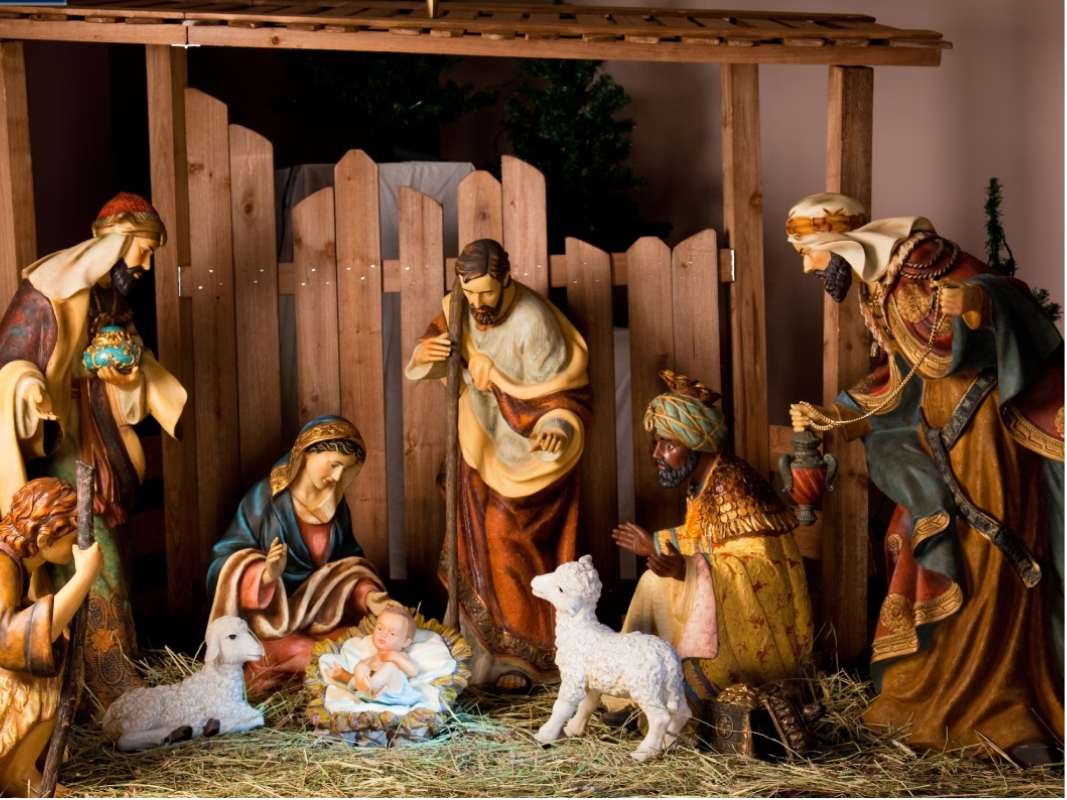
Beyond the mathematically intense cosmic charts drawn up by medieval astrologers, the term shares a profound and deeply rooted historical connection with global religious history. English speakers are incredibly familiar with the closely related word “Nativity,” which immediately conjures vivid imagery of the Christian Christmas story, the manger scene, and the birth of Jesus Christ in Bethlehem. In historical German literature and older ecclesiastical documents, the translated term nativität was occasionally utilized in an identical theological context to reverently describe this world-altering biblical event.
This specific religious connection ultimately inspired centuries of breathtaking European art, classical music composition, and traditional community theatrical plays known as nativity pageants. Whether one is analyzing a priceless Renaissance oil painting depicting the holy night or reading through centuries-old theological discourses, the underlying theme of the word remains beautifully consistent. The term highlights a momentous birth that is viewed not just as a standard biological event, but as a monumental, divine pivot point that completely shifted the timeline of human history.
Modern Usage and Contexts
In our incredibly fast-paced, contemporary digital world, the active usage and public perception of the word nativität have shifted quite dramatically. If you open a modern dictionary or use digital linguistic databases today, you will find the term officially flagged as an archaic, formal, or highly elevated literary word. In daily human communication, standard modern words like Geburt have almost entirely replaced it, making the original classical term a rare and delightful find outside of specific scholarly circles.
Furthermore, modern content creators, researchers, and professional writers must be exceedingly careful not to confuse this term with the modern demographic and statistical concept of Natalität. While Natalität (natality) refers scientifically and sociologically to birth rates within large populations, nativität remains strictly tied to the individual birth chart or historical moment. Today, the classical term maintains its strongest active foothold within historical research papers, theological studies, and traditional astrology circles, where practitioners still deeply value the immense historical weight that this ancient word effortlessly carries.
Conclusion and Final Thoughts
In summary, taking the time to deeply explore the word nativität is very much like opening a beautifully crafted historical time capsule that reveals the rich evolution of human thought. It successfully proves that a single, well-traveled word can connect the rigid mathematics of ancient star-mapping with the deeply emotional and spiritual narratives of global religious tradition. By looking past its modern obscurity, we can appreciate how deeply our ancestors valued the exact moment a new life or a new historical era began.
Preserving these beautiful, multi-layered terms allows modern society to maintain a vital, irreplaceable link to our collective cultural and linguistic past. While it may no longer dominate our everyday text messages or casual office conversations, it remains a dignified, highly poetic anchor in our vocabulary. It serves as a lasting reminder that every single beginning in this universe carries its very own unique blueprint, its own historical context, and a profound sense of inherent meaning.
Frequently Asked Questions (FAQs)
Was ist der Unterschied zwischen Nativität und Natalität?
Although these two terms sound remarkably similar to the untrained ear and share identical Latin roots relating to the concept of birth, they belong to completely different intellectual fields. The specific word nativität refers strictly to an individual astrological birth chart or a highly significant, historical birth event. On the other hand, Natalität (known as natality in English) is a purely statistical, scientific, and demographic term used by modern sociologists and data analysts to measure the overall birth rate of a specific population over time.
Ist das Wort Nativität heute noch gebräuchlich?
In standard, everyday German or casual English conversation, the term is officially considered archaic, obsolete, or highly formal. You will rarely encounter it in modern media, news broadcasts, or casual literature. However, it is still actively used as a specialized, technical term within the academic fields of classical astrology, historical European linguistics, and specific types of traditional theological literature that examine ancient texts.
Warum ist die Nativität in der Astrologie so wichtig?
In traditional, classical astrology, it represents the absolute foundational blueprint of an individual’s entire earthly existence. Practitioners of this ancient art firmly believe that the precise geographic and celestial positions of the planets, stars, and houses at the exact millisecond of a person’s birth dictate their core character traits, psychological patterns, worldly potential, and spiritual strengths throughout their entire lifetime.
Hat das Wort eine Verbindung zum Weihnachtsfest?
Yes, it absolutely does. While the English variant “Nativity” explicitly and directly refers to the biblical birth of Jesus Christ and the widespread celebration of the Christmas story, the German word nativität shares the same Latin root (nativitas). Because of this shared etymological heritage, the term can frequently be discovered in older German literature, hymnals, and theological essays describing the historical and spiritual events of the Christmas season.
You may also read: Fisila as a Brand Identity in Business and Services
